Grain Is Moving—But the Transportation Network Is Feeling the Strain
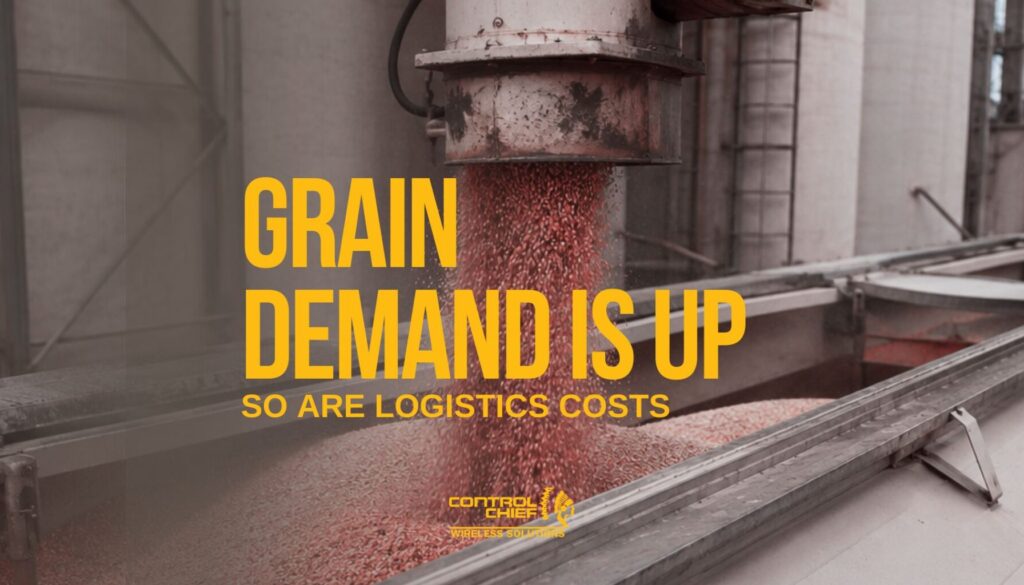
The U.S. grain industry is experiencing a transportation paradox in 2026. Grain demand remains strong, exports are healthy, and railroads, barges, and ports continue moving large volumes. Yet across the supply chain, transportation costs are climbing and bottlenecks are becoming increasingly difficult to manage.
For grain handlers, elevators, processors, and exporters, the challenge is no longer simply finding demand. The challenge is moving grain efficiently enough to keep pace with that demand.
Record Grain Supplies Are Putting Pressure on the System
Following a strong 2025 harvest, grain inventories remain elevated across much of the United States. According to the USDA’s Grain Transportation Report, robust corn exports and healthy global demand have helped drive grain movement to some of the highest levels seen in recent years.
While this is positive news for producers and grain companies, it also places significant pressure on the transportation network responsible for moving grain from storage facilities to processors, feed operations, export terminals, and end users.
Rail Capacity Remains Tight
Railroads have responded by moving grain at record volumes. Recent USDA rail transportation data shows grain rail carloadings remaining well above historical averages, driven largely by strong export demand and elevated grain inventories.
However, high demand for rail service has created increased competition for available railcars.
One indicator of this pressure is the secondary railcar market, where grain companies can secure guaranteed railcar capacity. According to Grain Journal’s transportation market analysis, some BNSF shuttle bids climbed more than $1,000 per railcar above tariff rates during periods of peak demand.
While railroads continue moving significant volumes of grain, those premiums highlight the value shippers place on securing transportation capacity when demand is elevated. For grain companies facing storage constraints or tight shipping schedules, delays can quickly become costly.
River Transportation Continues Recovering
Barge traffic faced additional challenges earlier this year.
Winter weather, ice conditions, flooding, and navigation restrictions on portions of the Mississippi River system slowed grain movement and reduced available capacity. Although conditions improved during the spring, those disruptions contributed to higher freight rates and delayed movement in some regions.
Even as river conditions stabilized, strong export demand and rising fuel costs continued to keep barge transportation rates above historical averages.
For facilities that rely on river transportation, these disruptions demonstrated how quickly transportation bottlenecks can affect grain movement throughout the supply chain.
Rising Fuel Costs Add Another Layer of Pressure
Transportation costs are being influenced by more than demand alone.
Higher diesel and marine fuel prices have increased operating expenses across nearly every transportation mode. Rail fuel surcharges have risen, barge operators face higher fuel costs, and ocean freight markets have experienced upward pressure as global shipping demand remains strong.
As a result, grain companies are often paying more to move product even when transportation capacity is available.
When transportation costs increase, operational efficiency becomes even more important. Every delay, every additional loading cycle, and every hour spent waiting on equipment can have a direct impact on profitability.
Why Throughput Matters More Than Ever
One often-overlooked consequence of transportation congestion is the impact on storage and facility operations.
Recent USDA analysis indicates grain production has continued to grow while storage capacity expansion has slowed in recent years. When transportation demand spikes, facilities have less flexibility to absorb delays and wait for ideal shipping conditions.
This reality places greater emphasis on operational efficiency inside grain facilities.
Faster truck unloading, efficient railcar positioning, optimized loading operations, and reliable material handling systems all contribute to maintaining throughput when transportation networks are under pressure.
As transportation demand increases and capacity becomes more valuable, facilities are under growing pressure to move more grain through existing infrastructure. The ability to maximize throughput can help grain operations reduce bottlenecks, improve asset utilization, and maintain productivity even during periods of transportation congestion.
Keeping Grain Moving
The grain transportation system continues to move enormous volumes of product, but the cost of moving grain has increased substantially compared to previous years. Strong exports, record grain inventories, weather-related disruptions, fuel prices, and competition for transportation assets have combined to create a more challenging logistics environment.
For grain operations, the focus is shifting from simply moving grain to moving grain more efficiently. Facilities that can load faster, reduce delays, and maximize throughput will be better positioned to navigate an environment where transportation capacity remains valuable and every loading opportunity counts.
Control Chief supports grain elevators, export terminals, processors, and agricultural facilities with industrial remote-control solutions designed to help operators maximize throughput and improve equipment utilization. Our locomotive remote-control systems give operators the flexibility to position railcars quickly and efficiently during loading and unloading operations, helping facilities keep product moving and make the most of available rail capacity.
For export terminals and waterfront operations, Control Chief’s ship loader remote-control solutions provide operators with greater control over vessel loading operations, helping teams optimize loading cycles and reduce operational bottlenecks.
In an industry where transportation demand remains high and capacity comes at a premium, operational efficiency is a competitive advantage. Whether moving grain by rail or loading vessels for export, Control Chief solutions help facilities maximize throughput, reduce delays, and keep grain moving through the supply chain.